Why Are Bags and Purses Gifts Dominating Global Seasonal Merchandise Strategies?
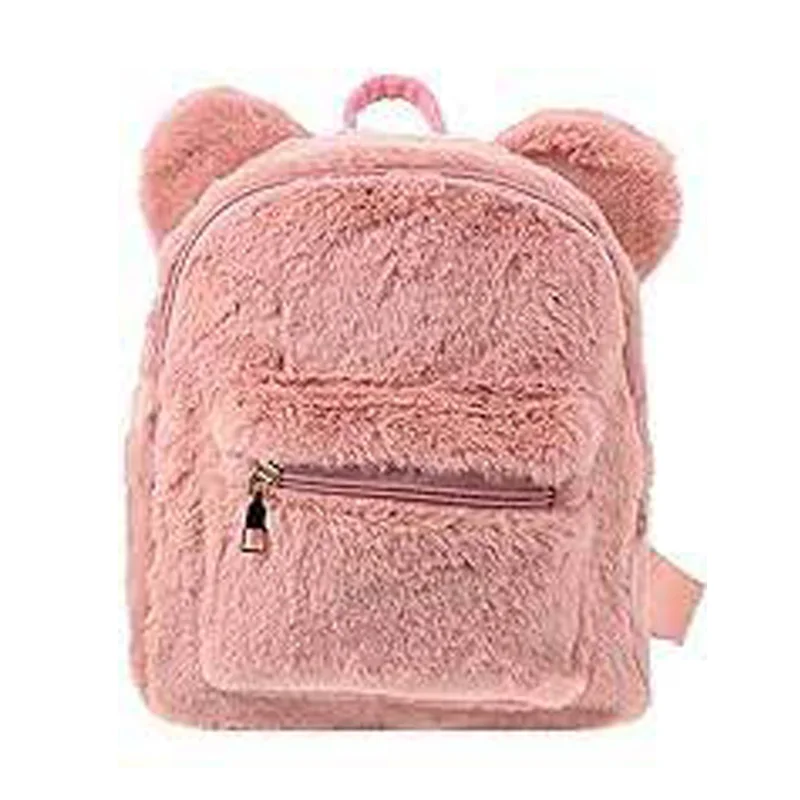
In the contemporary landscape of decorative accessories and lifestyle products, the category of bags and purses gifts has emerged as a pivotal driver of retail differentiation. No longer viewed as mere functional carryalls, these articles now represent a fusion of fashion utility and celebratory giving. Industry analysis indicates that major distribution channels—from specialty fashion stores to mass-market retailers—are recalibrating their seasonal planograms to allocate expanded visibility to gift-ready totes, clutches, and novelty purses. The shift responds to consumer demand for versatile products that combine aesthetic appeal with immediate gifting convenience.
Evolving Market Dynamics
Retail environments have witnessed a substantial transformation in how end-users perceive accessory-based presents. The modern shopper seeks items that deliver dual value: personal enjoyment and social gifting appropriateness. Within this context, bags and purses gifts satisfy both criteria efficiently. Manufacturers with integrated design and production capabilities capture higher margins by offering coordinated collections that align with festive periods, back-to-school seasons, and year-end celebrations. Importantly, the perishability factor typical of seasonal novelty items does not apply to well-constructed bags, making them a sustainable inventory choice for distributors aiming to reduce markdown risks.
Design-Led Differentiation in the Gift Accessory Space
Successful product development in this segment relies on three core pillars: material innovation, silhouette versatility, and embellishment storytelling. Textile choices now extend beyond conventional PU and cotton to include recycled components, textured weaves, and lightweight technical fabrics. Silhouette versatility ensures that a single design can serve as an everyday companion or a party accent, thus increasing the gift recipient's perceived value. Embellishment storytelling—through embroidery, beadwork, or thematic prints—enables brands to communicate seasonal narratives without excessive packaging. Such characteristics are particularly valued when the article is presented as a considered present rather than an impulse commodity.
Supply Chain Agility for Gift-Ready Assortments
Delivering cohesive bags and purses gifts collections across global markets demands more than creative talent; it requires a responsive supply framework. Manufacturers that maintain in-house prototyping units can reduce lead times from concept to container loading by a measurable degree. Furthermore, having dedicated quality assurance protocols for each component—zippers, linings, handles, and decorative elements—ensures that gift-grade standards are met consistently. Retail partners increasingly require vendors to provide pre-assembled gift sets, where a purse is paired with complementary hair accessories or small novelty items, thereby increasing average transaction values.
Quality Assurance Protocols for Gift-Grade Accessories
Delivering merchandise destined for gifting imposes stricter tolerances than standard accessory production. Any visual or tactile imperfection—misaligned seams, uneven dye lots, loose stitching, or defective closures—directly undermines the present-giving experience. Therefore, professional manufacturers deploy multi-tiered inspection gates: incoming material verification, in-process sewing checks, finishing line audits, and final random sampling before packing. For export shipments, these protocols are often documented and shared with distribution partners to build trust. A robust QA system also covers accessory packaging, ensuring dust bags, tissue wraps, or polybags are free from contaminants and secure for transit.
Packaging Innovation Enhancing Gift Presentation
While the product itself remains central, presentation packaging significantly influences the perception of any gift article. Retail buyers increasingly demand that bags and purses be delivered with protective yet visually appealing enclosures. Examples include printed cardboard boxes with die-cut windows, reusable fabric pouches, or eco-friendly paper wraps with branded seals. Such packaging serves dual functions: protecting the product during logistics and enabling immediate shelf-ready display. Some manufacturers offer co-branding options, where the retailer's logo appears alongside the maker's information, creating a seamless gift identity.
Comparative Overview of Gift Accessory Features by Retail Tier
| Retail Environment | Preferred Bag & Purse Gift Styles | Critical Quality Indicators | Lead Time Expectation |
|---|---|---|---|
| Fashion Specialty Stores | Mini structured bags, embellished clutches, seasonal print totes | Stitching precision, hardware finish, lining consistency | Expedited seasonal windows |
| Drug Store Chains | Foldable shoppers, lightweight crossbodies, novelty cosmetic purses | Durability of closures, colorfastness, ease of cleaning | Predictable volume planning |
| Mass Market / Hypermarkets | Value packs (bag + accessory sets), reusable grocery-style totes, children's character purses | Price-to-quality balance, seam strength, safety of decorative elements | Continuous replenishment cycles |
Material Sourcing and Ethical Production Trends
Industry conversations have shifted toward traceable material flows and ethical manufacturing attestations. For gift-oriented bags and purses, end consumers show preference for products that carry clear environmental or social responsibility signals. This has led to rising adoption of OEKO-TEX certified textiles, non-toxic dyes, and responsible leather alternatives. Production clusters that have invested in closed-loop water systems and energy-efficient stitching machinery gain preferential status in vendor selection processes. Retail compliance teams now routinely request factory audits focusing on worker welfare and waste management, making transparency a competitive differentiator.
Seasonal Novelty Integration with Everyday Utility
The most commercially successful bags and purses gifts blur the line between occasion-specific novelties and year-round wardrobe staples. A holiday-themed cosmetic bag, for instance, achieves higher sell-through rates if its external pattern is festive but internal compartments remain functional for daily organization. Similarly, a spring collection of small crossbody purses might incorporate floral hardware without sacrificing adjustable strap practicality. This hybrid approach reduces post-gift season clearance dependency and encourages repeat gifting across multiple occasions within the same household. Design calendars now typically include at least four major seasonal drops, each containing gift-ready bag SKUs.
Operational Framework for Timely Delivery of Gift Collections
Achieving consistent on-time shipment for gift-oriented bags and purses requires synchronized planning across design, material procurement, production scheduling, and logistics coordination. The most resilient manufacturers operate with a centralized project management system that tracks each purchase order from sample approval to final container loading. Weekly cross-functional meetings involving design, QA, and shipping teams help identify potential bottlenecks—such as trim component delays or testing hold-ups—before they escalate. For seasonal peaks, buffer capacity is reserved in stitching and packing lines to accommodate urgent reorders from retail partners whose initial allocations sold faster than projected.
Role of In-House Design Teams in Commercial Success
Original design capability directly correlates with retail acceptance rates. A design team endowed with rich professional experience interprets global fashion weeks into accessible gift-ready bag collections. They anticipate colour trends two seasons ahead, select appropriate material combinations, and develop technical packs that minimize sampling iterations. Having in-house pattern makers and prototyping workshops reduces reliance on external vendors, safeguarding intellectual property and accelerating time-to-market. For international clients, design teams also adapt product dimensions and carrying methods to regional preferences—for example, smaller profile bags for European urban retail versus larger totes for North American suburban stores.
Commitment to Customer-First Principles in Manufacturing
Within the competitive landscape of accessory production, the principle of prioritizing client objectives separates established manufacturers from transactional suppliers. This translates into flexible minimum order quantities for initial test runs, transparent communication throughout production phases, and post-shipment support for any quality discrepancies. A customer-first orientation also means maintaining representative samples of each produced lot, allowing rapid verification of specifications if questions arise during distribution. For gift articles, this approach reassures retailers that end recipients will receive products matching the promised standard, thereby protecting the retailer's brand image.
Reliable Reputation Through Professional Service
Long-term commercial relationships in the gift accessory sector are built on consistent delivery of professional service. Professionalism manifests as accurate pre-production quotations, realistic lead time estimates, prompt responses to technical queries, and proactive updates about potential production adjustments. Manufacturers that document their quality control processes and share them with clients demonstrate operational maturity. This transparency, combined with competitive pricing derived from efficient vertical operations, generates repeat business and referrals. For international buyers, professional service also includes proper export documentation, commercial invoice accuracy, and coordination with freight forwarders to minimize port delays.
Why Yiwu Meican Decoration Co., Ltd. Stands as a Trusted Partner
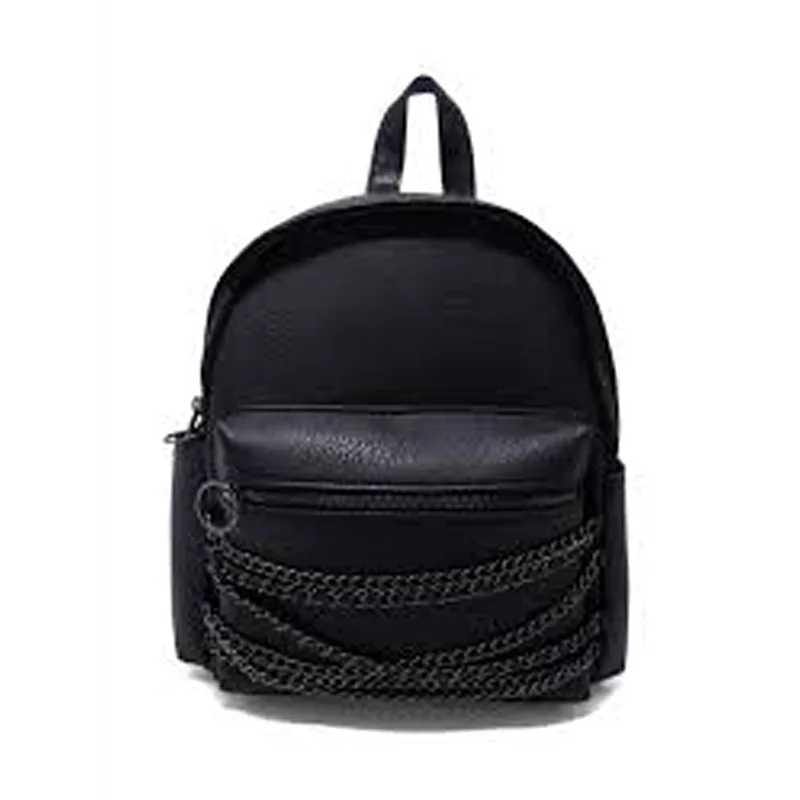
Founded in 2012, Yiwu Meican Decoration Co., Ltd. has evolved into one of China's most established entities in the trading and manufacturing of accessory goods. The company’s major product portfolio includes hair accessories, hair brushes, bags, Tutu dress ups, seasonal products, and novelty items. Within the specific domain of bags and purses gifts, the firm leverages an effective supply chain and a strong in-house design team endowed with rich professional design and development talents. Every product batch undergoes rigorous QA and QC protocols that assure quality and support on-time delivery. The company's skilled employees adhere strictly to the "Customer First" principle, ensuring that each shipment is prepared and delivered on a timely and effective basis. As a result, Yiwu Meican's products can be found in fashion stores, drug stores, and mass markets across the globe, exported through a diverse network of commercial partners. By adhering to the business principle of mutual benefits, the company has earned a reliable reputation among clients who value professional service, quality products, and competitive pricing. Yiwu Meican Decoration Co., Ltd. warmly welcomes domestic and international partners to cooperate for common success.
Previous:No News